

ERP or CRM? A Selection Guide Based on Your Business Needs
CRM manages customer relationships while ERP manages resources and operations. We explain the difference, when each should come first and how to think about integration.

In a growing business there comes a point when spreadsheets, chat notes and separate programs stop being enough. Two abbreviations come to mind: ERP and CRM. Both are business software, but they solve different problems. Starting in the wrong order can create needless cost and team resistance, so this article clarifies the difference to make the decision easier.
What is CRM and what is it for?
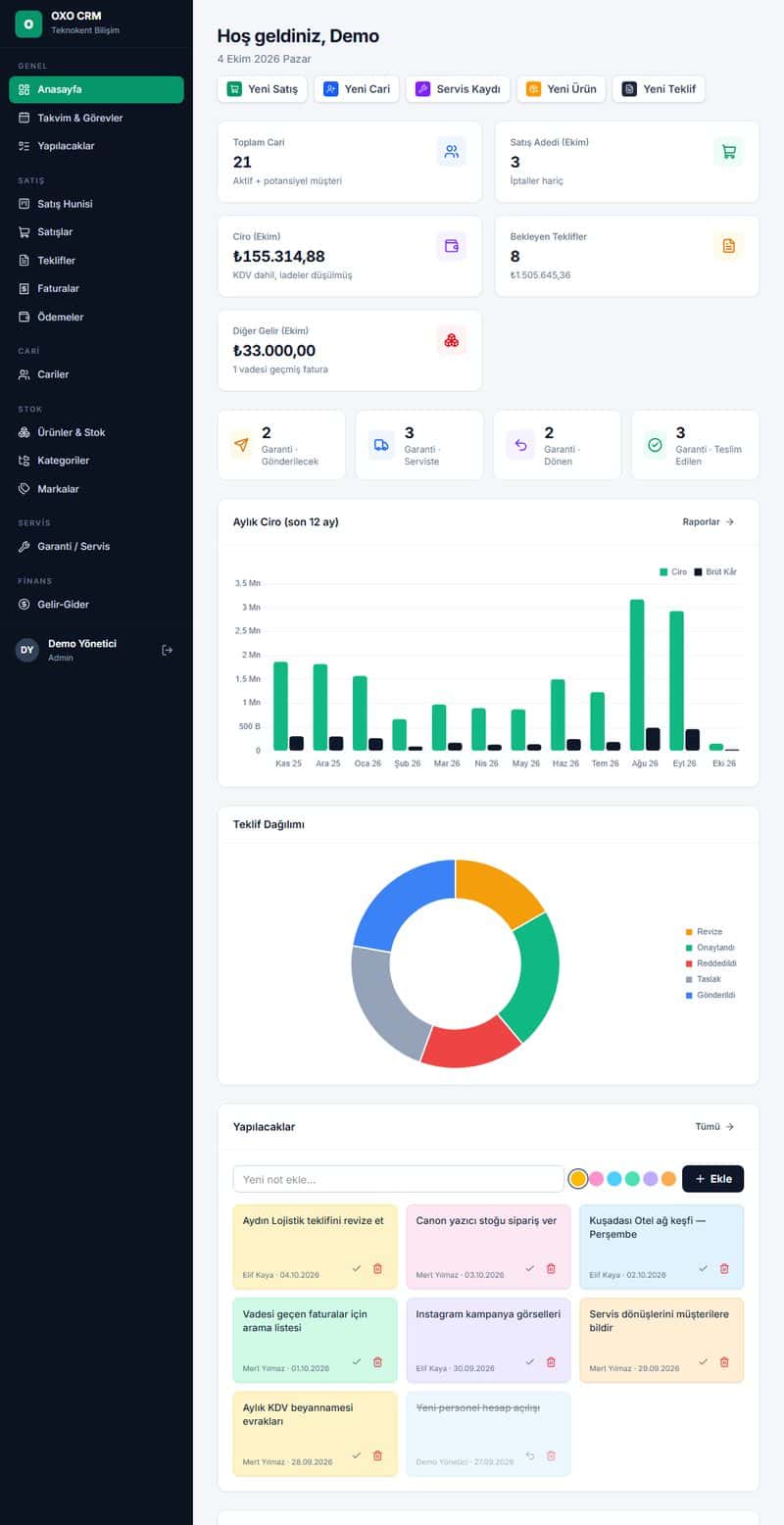
CRM (Customer Relationship Management) gathers everything about customers and prospects in one place: contact details, conversation history, quotes, sales opportunities, reminders and follow-up tasks. Its focus is sales, marketing and customer service. Its core questions are: Who showed interest in us? Which quote is at which stage? Who spoke to whom, and when?
What is ERP and what is it for?
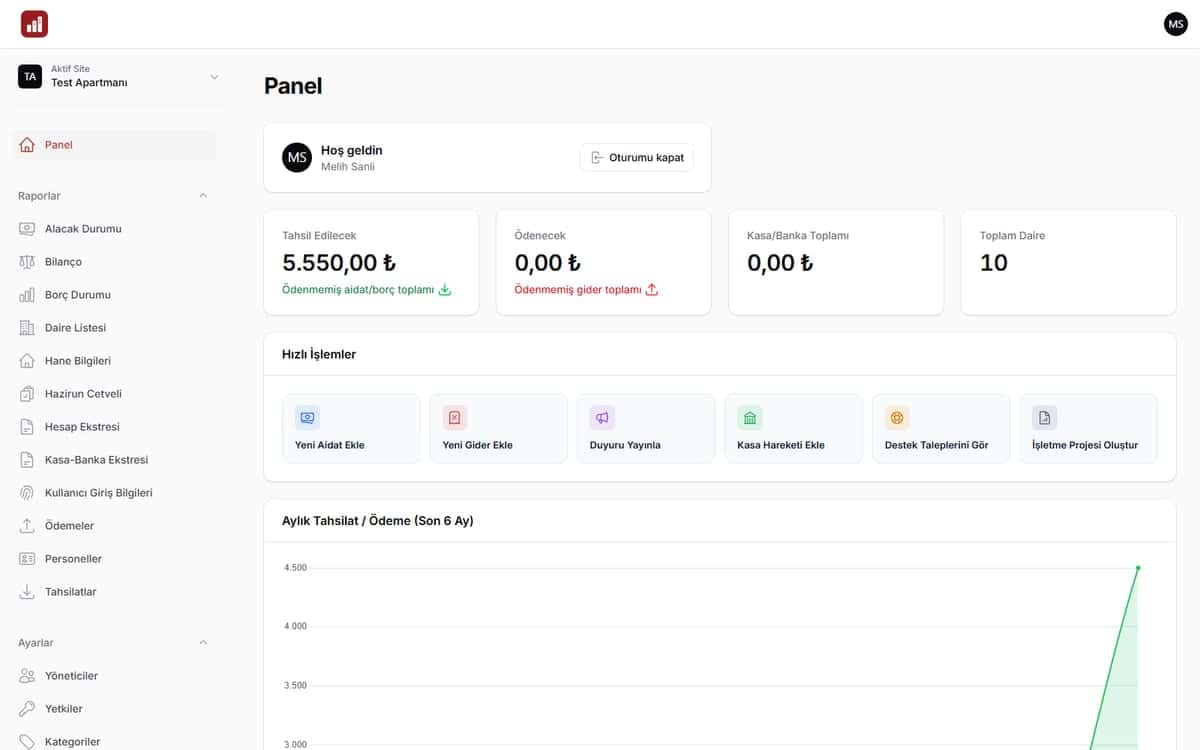
ERP (Enterprise Resource Planning) integrates a company's internal operations: stock, purchasing, production, accounting, finance, human resources and sometimes logistics. Its focus is the efficient management of resources and processes. Its core questions are: What do we have in stock? What does it cost us to produce? What is our financial position?
Which should come first?
The right answer depends on the real pain your business is feeling. A general framework might look like this:
- If customer tracking is scattered: quotes get forgotten, the sales team calls the same customer twice and opportunity status is unclear, start with CRM.
- If operations are complex: stock counts do not match, the production plan lives in Excel and costs are unknown, ERP takes priority.
- In small service-oriented businesses: there is usually little stock or production complexity, so CRM is often a sufficient start.
- In production and stock-heavy businesses: the order that ERP brings may be more decisive.
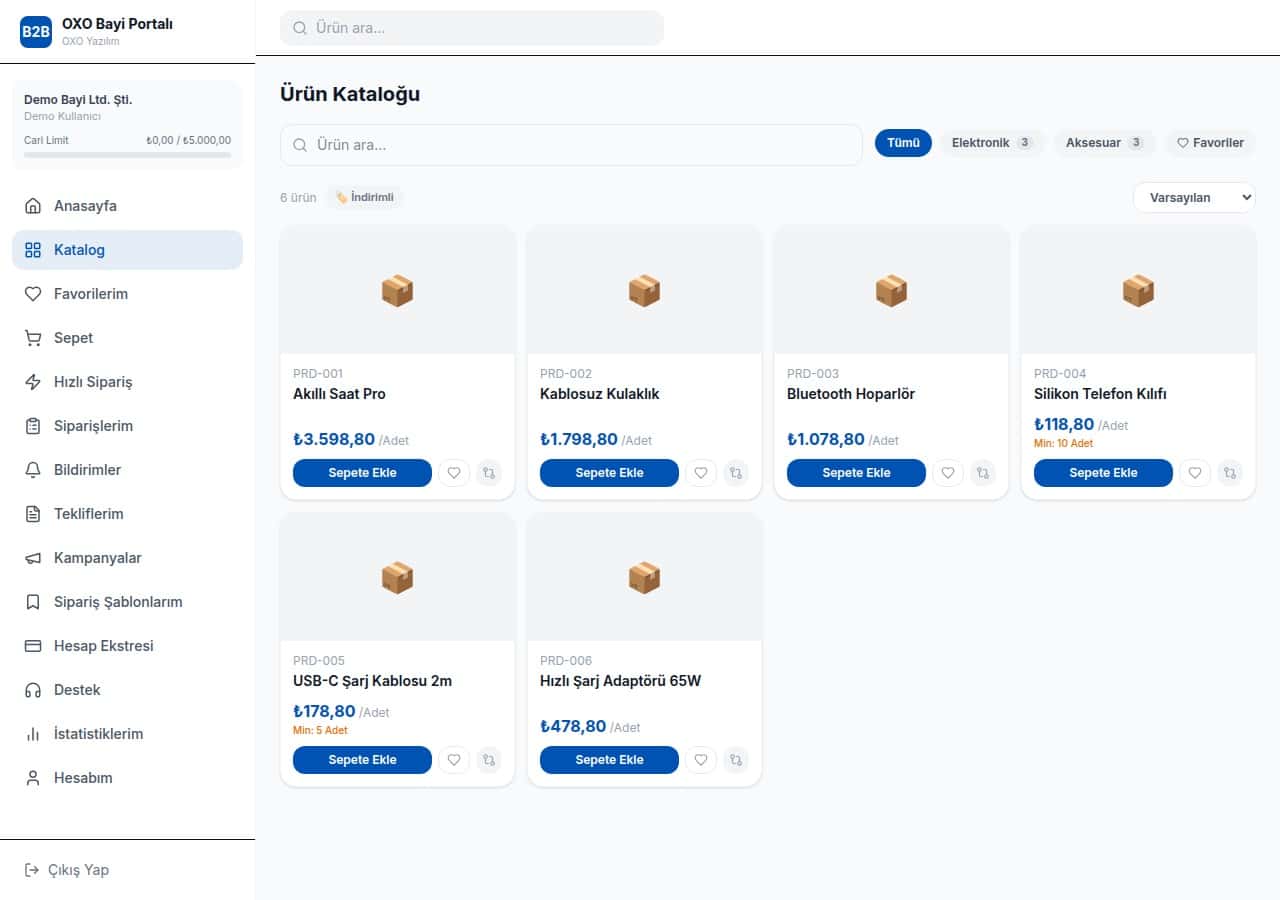
- If you work with a dealer network: combining order and account tracking through a dealer portal can add value on its own.
Questions to ask when choosing
Where exactly is our problem?
Choose software based on concrete problems, not feature lists. If you cannot answer "How many quotes did we send last month and how many closed?", that is a CRM signal. "Why does the stock count not match the system?" is an ERP signal.
How will it work with our existing systems?
In Türkiye, e-Fatura, e-Arşiv and pre-accounting programs are common ground for most businesses. Ask whether the solution can exchange data with your accounting program, your online store and your courier. If integration is missing, you will keep entering the same data twice.
Will the team really use it?
The best software is worthless if unused. Simplicity of the interface, mobile access and the training process should be decision criteria. Plan the rollout in stages: one team or process first, then the others.
Think in an integrated way
Many businesses eventually need both. What matters is to think about data flow today: how will a closed sale in the CRM turn into an order and an invoice, and how will stock information reach the sales team? Starting with one system and choosing a structure open to integration makes later steps easier. The choice between an off-the-shelf package and custom development also depends on budget, how unique your processes are and your growth plans.
Conclusion
In short: if your relationship with customers is the problem, starting with CRM usually makes more sense; if internal operations are the problem, start with ERP. Over the long term the two complement each other. Before deciding, map your processes and identify the most painful point. If you would like to clarify your needs together, take a look at the OXO CRM package or talk to us.