








Cross-Sell and Upsell: Raising Order Value Without Being Pushy
Finding new customers is costly; growing the existing basket wisely is cheaper. Cross-sell and upsell methods where suggestions genuinely help the customer.

Cross-selling means recommending another product that goes with what the customer is buying. Upselling means showing a more advanced or larger option for the same need. Done right, both help the customer and increase average order value. Done wrong, they feel pushy and damage trust.
Start from the customer's need
A suggestion should solve the customer's problem. Recommending a case and screen protector to someone buying a phone makes sense; an unrelated product just distracts. Ask yourself: "If I made this suggestion face to face in a shop, would the customer thank me?" If yes, it is a good suggestion on screen too.
Where cross-sell works best
A suggestion works when made at the right moment and place:
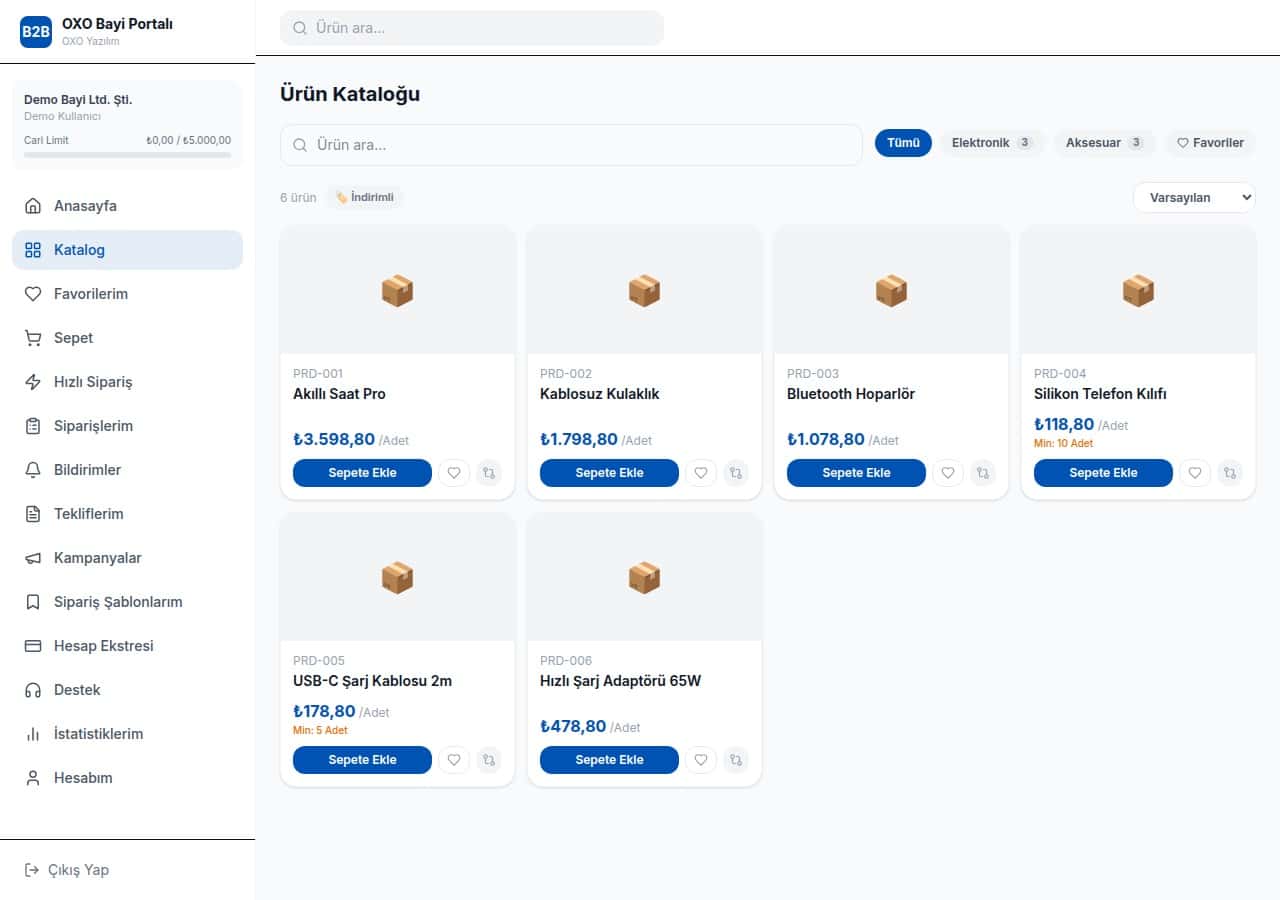
- A "Frequently bought together" block on the product page.
- A short complementary-product popup after add to cart.
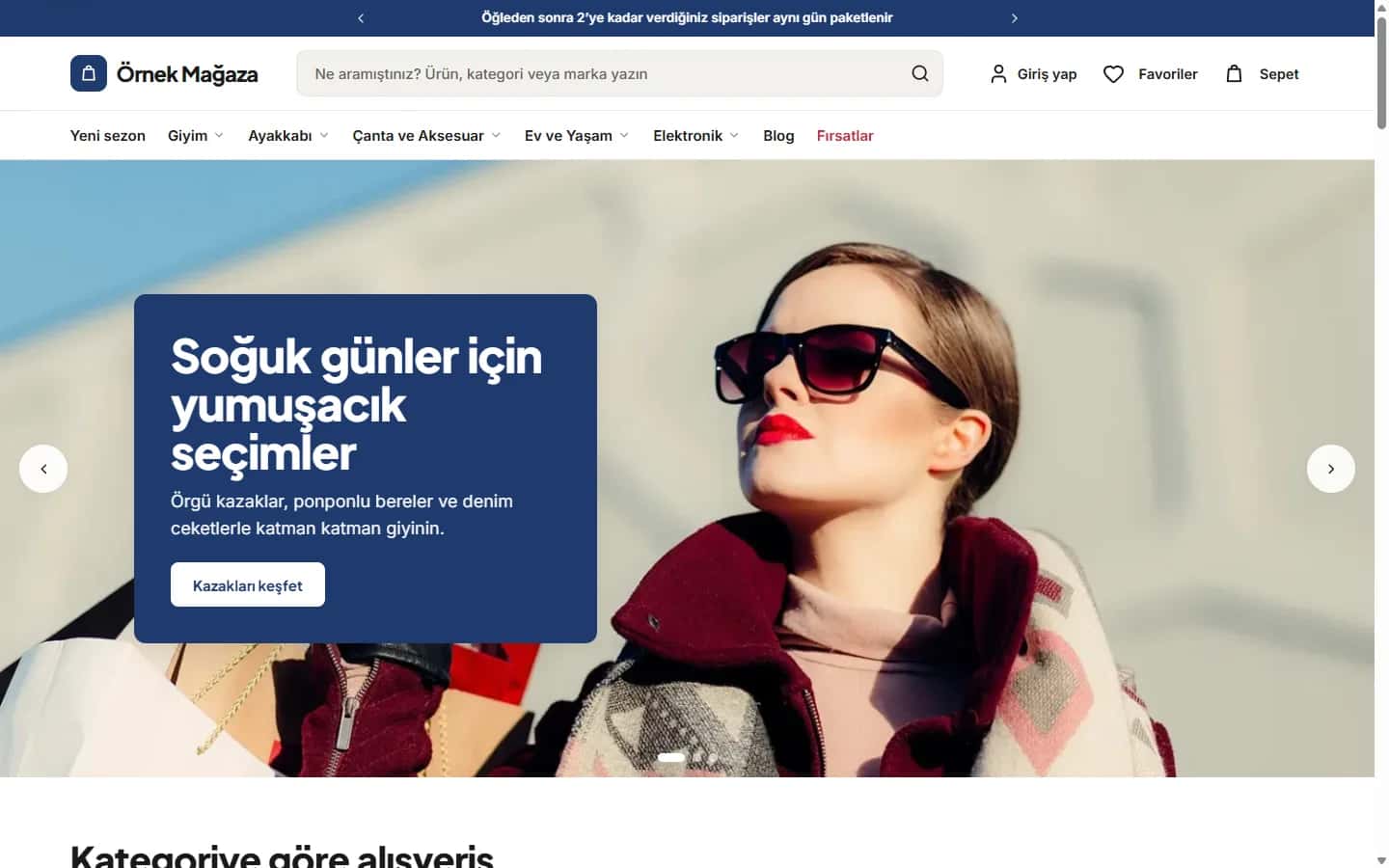
- Unobtrusive suggestions on the cart page that do not interrupt checkout.
- A care product or consumable suggestion in the order confirmation email.
The honest way to upsell
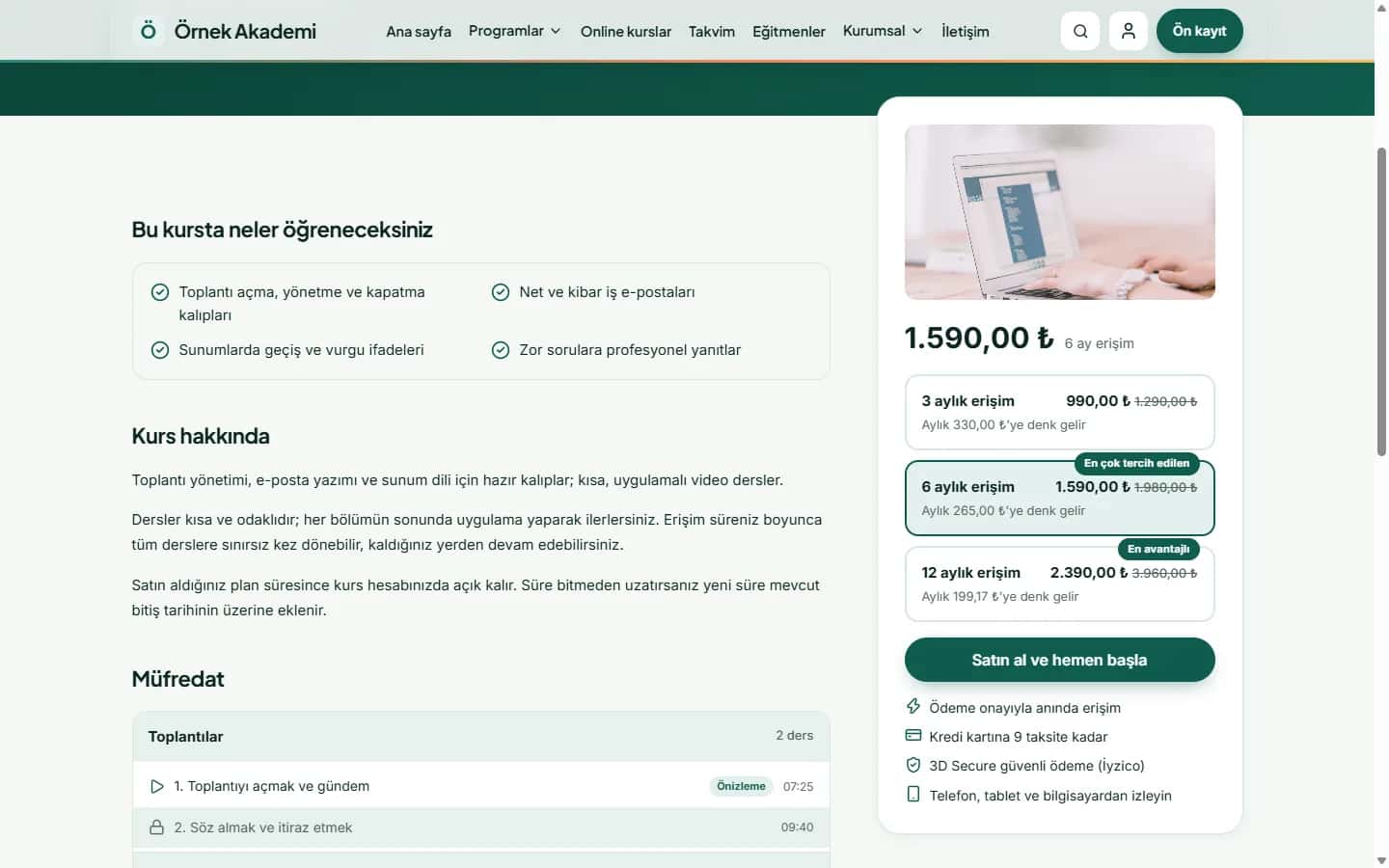
When presenting a pricier option, show the difference clearly: extra features, longer warranty, larger volume or more durable material. A comparison table and a clear benefit sentence make the decision easier. Offering two or three options usually creates a more trustworthy experience than forcing a single one.
Bundles and free shipping thresholds
Bundling products that are often bought together at a small discount gives customers a sense of value. A free shipping threshold is another simple way to grow baskets; set it reasonably just above your average basket. A progress hint such as "Add 120 TL more for free shipping" informs the customer.
Measure, test, do not overdo it
Track each suggestion area separately: how many clicked, how many added, did checkout completion drop? If suggestions slow down the payment process, the gain is offset by losses. Change one thing at a time and proceed with A/B tests.
You do not need big software to start. First pick your ten best sellers and manually choose two or three complementary products for each. Show them on the product page as "Frequently bought together". After a few weeks, look at which suggestions were added to carts; keep what works and replace what does not. This simple approach is a cheap way to learn what your customers really want before building an automatic recommendation engine.
One more point: make sure the products you suggest are in stock. An out-of-stock suggestion creates disappointment and reduces trust. Also do not push low-margin items just to grow the basket; every suggestion should offer a real benefit.
Conclusion
Good cross-selling and upselling is about offering a more complete solution. An infrastructure that defines product relationships and manages cart rules flexibly makes this easier. For solutions tailored to your store, see our e-commerce service or get in touch.