
















Opening a Store on Trendyol and Hepsiburada: A Starter Guide
Selling on a marketplace gives access to ready-made traffic, but with rules. We cover steps from application to listings, commissions and balance with your own site.

Marketplaces are ready-made places where thousands of buyers already shop. While a new brand needs time to bring traffic to its own site, getting a first sale on a marketplace can be much faster. In return for that convenience, there are commissions, rules and competition. The steps below give a general roadmap, provided you confirm current terms in each platform's seller panel.
Preparation before applying
Platforms usually request documents based on your business type. Keep documents showing you are a company or sole proprietor, tax details, a bank account and contact information ready. Some categories need extra permissions or brand authorization letters. Check application requirements only on the platform's official seller page; rules change over time.
Listings: catalog quality decides sales
Your product page fits a limited template on a marketplace, so using the available fields well matters.
- Write brand, product type and the distinguishing feature clearly in the title.
- Enter barcodes and product codes (GTIN) correctly.
- Fill in all attribute fields; they are required to appear in filters.
- Use high quality images with clean backgrounds.
- Group variants (color, size) correctly under a single product.
Commission and real profit math
Each category has a different commission rate. Looking only at product cost when setting a price is misleading; add commission, shipping, packaging, returns and advertising costs. Preparing a simple table for each product to see the net margin shows which products are worth selling. Campaign participation and discount requirements can also affect margin.
Stock, price and order management
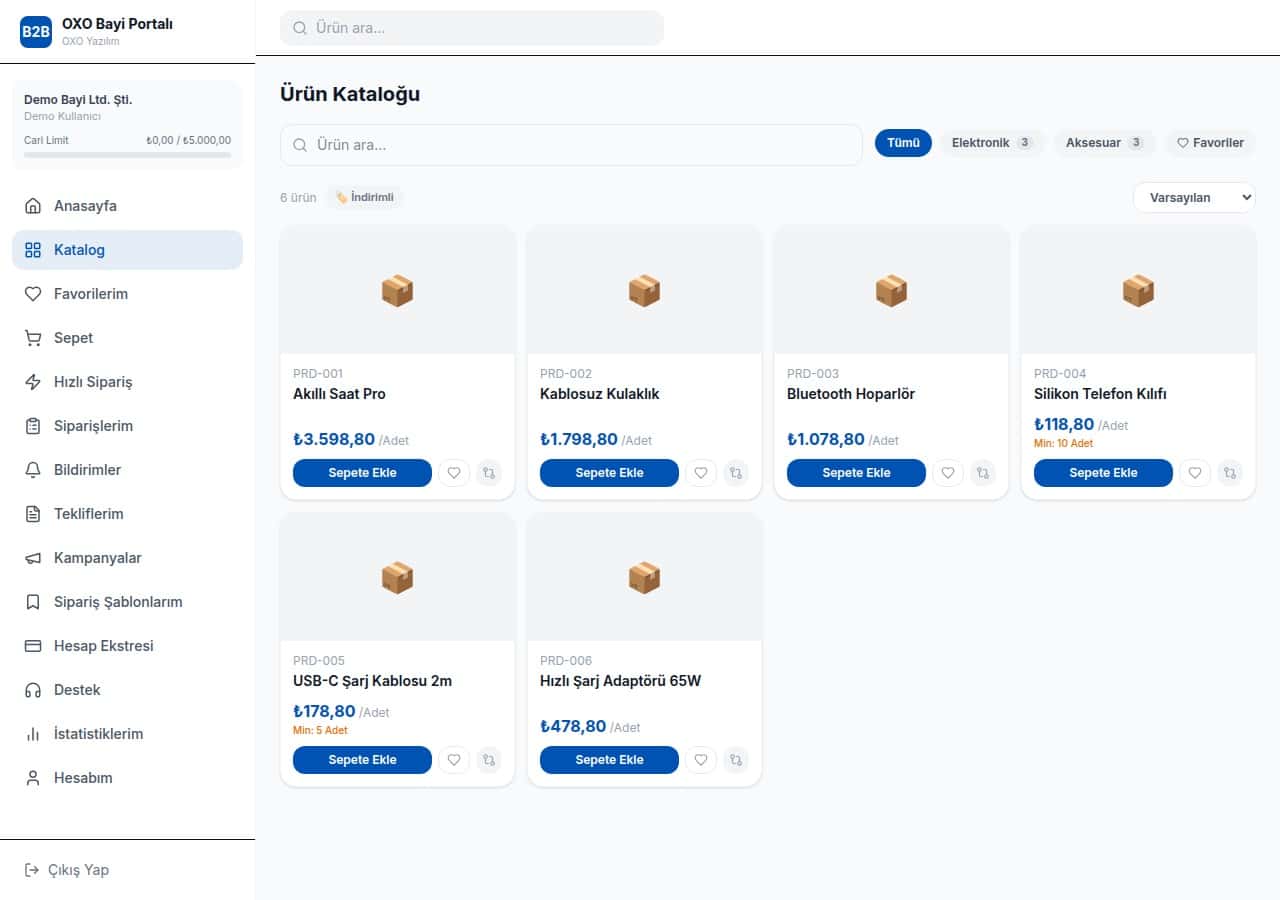
Selling an out-of-stock item on a marketplace causes cancellations and penalty points. If you sell on multiple channels, managing stock and price from one place is essential. Manual updates work for small catalogs, but errors are inevitable as products grow. An integration or a central order management panel brings big relief here.
Balancing marketplace and your own site
A marketplace brings quick sales but the customer belongs to the platform, not to you. Your own e-commerce site gives control over brand, customer data and margin. A healthy strategy uses both: marketplace for visibility and first sales, your own site for loyalty and repeat purchases. Check in advance which methods comply with platform rules.
Conclusion
Marketplace success is a mix of a good catalog, correct pricing and steady operations. Starting with a small product group and settling the process is healthier than starting chaotically with a huge catalog. To build an e-commerce setup with marketplace integration, see our e-commerce service or talk to us.